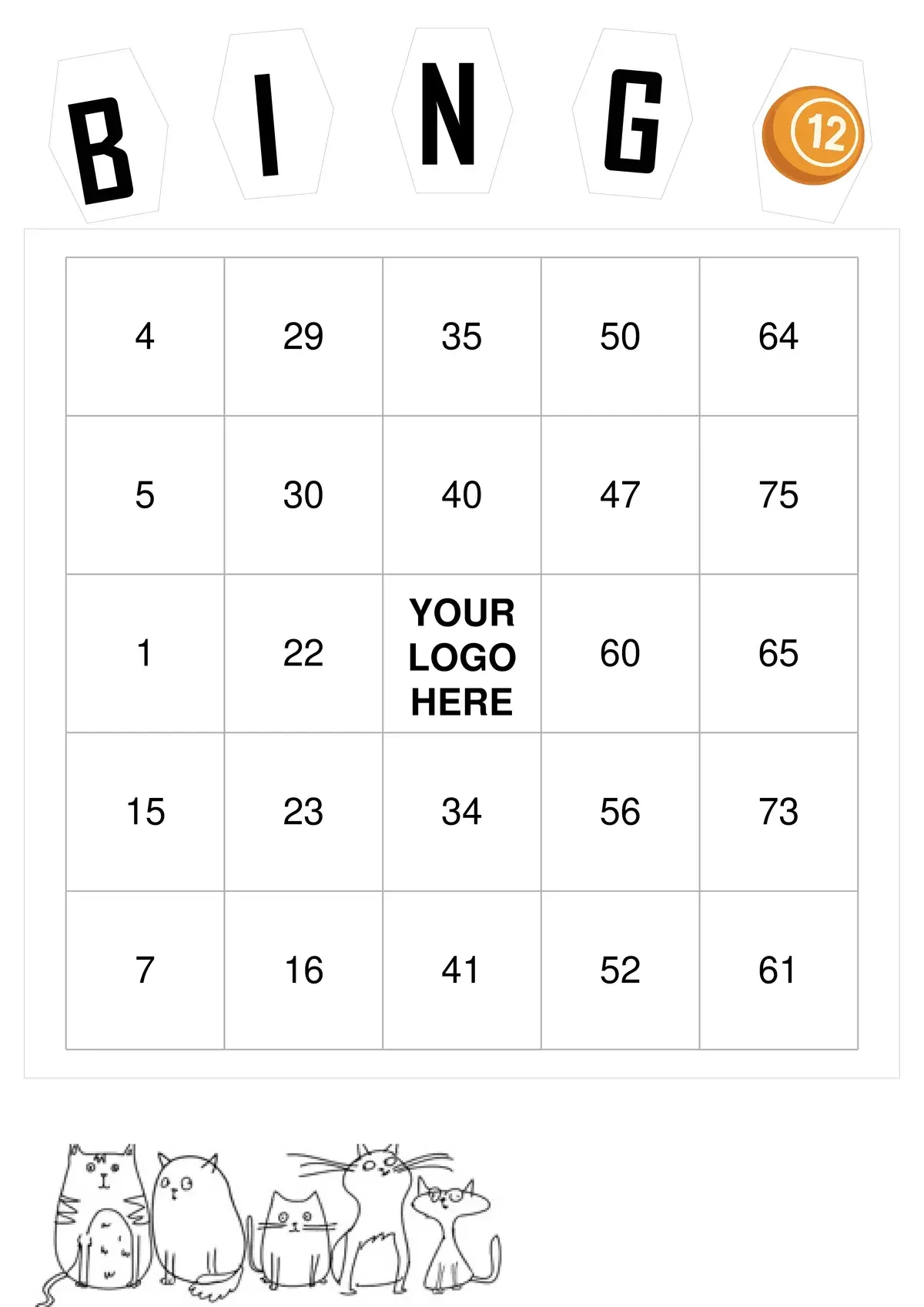
초기 읽기나 제2언어로서의 영어(ESL)를 가르친다면, 사이트 워드(자주 나오는 단어)에 얼마나 많은 반복이 필요한지 이미 아실 것입니다. 학생들은 그것을 듣고, 알아보고, 말하고, 문맥 속에서 빠르게 찾아내야 합니다. 도구가 플래시카드와 반복 훈련뿐이라면 금세 지칠 수 있습니다. 사이트 워드 빙고가 효과적인 이유는 반복은 유지하면서 느낌을 바꿔 주기 때문입니다.
또 한 장의 학습지 대신, 학생들은 능동적으로 느껴지는 과제를 받습니다. 듣고, 훑어보고, 짝을 맞추고, 반응합니다. 연습은 여전히 집중되어 있지만, 분위기는 한결 가벼워집니다.
사이트 워드 빙고란
사이트 워드 빙고는 칸에 학생들이 자동으로 인식하도록 배우고 있는 고빈도 단어를 넣은, 맞춤 단어 빙고의 한 형태입니다.
그룹에 따라 그런 단어에는 다음이 포함될 수 있습니다.
- the
- and
- said
- come
- here
- run
- look
- where
ESL 학생에게는 같은 형식을 생활 필수 어휘, 교실 언어, 짧은 고빈도 동사로도 쓸 수 있습니다. 이 게임의 강점은 목록을 교사가 통제한다는 점입니다.
사이트 워드 빙고가 이토록 효과적인 이유
이 게임은 여러 가지를 동시에 뒷받침합니다.
- 중요한 단어에 반복적으로 노출됨
- 듣기와 시각적 짝짓기를 동시에 함
- 여러 차례의 연습을 거치는 동안 집중을 유지할 이유
- 한 번 설명하고 나면 익숙하게 느껴지는 교실 구조
이 조합이 중요합니다. 특히 인정하고 싶은 것보다 더 많은 반복이 필요한 학생들에게요.
5x5 사이트 워드 빙고는 효과가 좋은가요?
네, 좋습니다. 5x5 카드는 더 알찬 게임, 더 많은 훑어보기 연습, 그리고 목표 단어가 자리 잡을 만큼 충분한 반복을 원할 때 특히 잘 맞습니다.
다음에 좋은 형식입니다.
- 제1언어와 제2언어 읽기 복습
- 소그룹 문해력 스테이션
- 전체 학급 워밍업
- 핵심 단어 묶음으로 하는 반복 연습
단어 목록이 짧을 때도 생각보다 더 잘 작동할 수 있습니다. 생성기에 24개 미만의 단어를 붙여 넣으면 반복되는 단어가 남은 칸을 채웁니다. 사이트 워드 연습에는 이것이 결점이 아닙니다. 오히려 학급 카드 세트 전체에서 같은 목표 단어를 여러 번 강화하는 데 도움이 됩니다.
단어를 유용하게 부르는 법
사이트 워드 빙고의 가장 좋은 점 중 하나는, 인쇄된 그대로 단어를 읽어야 하는 것이 아니라는 점입니다.
학생에 따라 여러 방식으로 한 판을 진행할 수 있습니다.
1. 단어를 그대로 부르기
가장 단순한 형태입니다. 단어를 또렷하게 말하면, 학생들이 카드에서 그것을 찾습니다.
이는 초보자, 그리고 자동 인식이 주된 목표인 복습 판에 잘 맞습니다.
2. 문장으로 부르기
단어만 말하는 대신 문장 속에서 사용하고, 학생들이 목표 단어를 찾아내게 하세요.
예를 들어,
We will look at the picture.Come here, please.She said hello.
이는 게임을 진행하기 더 어렵게 만들지 않으면서 문맥을 더해 줍니다.
3. 의미나 동작 단서
ESL 그룹에는 의미, 번역, 또는 간단한 교실 동작으로 부를 수 있습니다.
그러면 같은 카드가 듣기 이해와 단어 인식을 모두 뒷받침합니다.
교수 맥락별 사이트 워드 빙고 아이디어
형식은 그대로지만, 교수 목표는 꽤 달라질 수 있습니다.
초기 읽기 복습
그 주나 단원을 위한 집중 목록을 사용하세요. 이 버전은 학생들이 이미 본 단어에 대해 더 빠르고 더 차분해지도록 돕는 데 좋습니다.
ESL 어휘와 고빈도 단어
영어 학습자에게 빙고 카드는 하루 종일 듣는 실용적인 단어를 담을 수 있습니다. 게임은 정말 중요한 언어와의 반복적이고 부담 적은 접촉을 제공합니다.
문해력 센터와 소그룹
사이트 워드 빙고는 순환 활동에서도 잘 작동합니다. 학생들이 규칙을 이해하고 나면, 이 활동은 재사용하기가 아주 쉬워집니다.
좋은 사이트 워드 빙고 카드를 만드는 법
가장 좋은 카드는 보통 가장 단순한 카드입니다.
- 학생들이 정말로 연습할 준비가 된 단어를 사용하세요
- 한 카드에 너무 많은 난이도를 섞지 마세요
- 단어를 훑어보기 쉽도록 디자인을 충분히 깔끔하게 유지하세요
- 친근하지만 주의를 흩뜨리지 않는 배경을 고르세요
마지막 부분은 보기보다 더 중요합니다. 게임이 친근해 보이면 학생들은 반복 연습에 더 기꺼이 참여합니다. 저희 빙고 카드 인쇄가 여기서 유용한 이유는, 교사가 맞춤 단어 목록을 붙여 넣고, 디자인을 단순하게 유지하며, 격자를 손으로 배열하는 준비 시간을 들이지 않고도 전체 그룹을 위한 충분한 수의 고유 카드를 인쇄할 수 있기 때문입니다.
사이트 워드 빙고의 가장 좋은 점
반복을 더 가볍게 느끼게 해 준다는 것.
그것이 교사들이 자꾸 다시 찾는 진짜 이유입니다. 학생들은 여전히 같은 중요한 단어를 알아채고, 기억하고, 짝 맞추는 일을 하지만, 이 형식은 연습에 더 많은 움직임과 더 적은 저항을 줍니다.
그리고 ESL과 초기 읽기에는, 그것이 바로 필요한 것일 때가 많습니다.